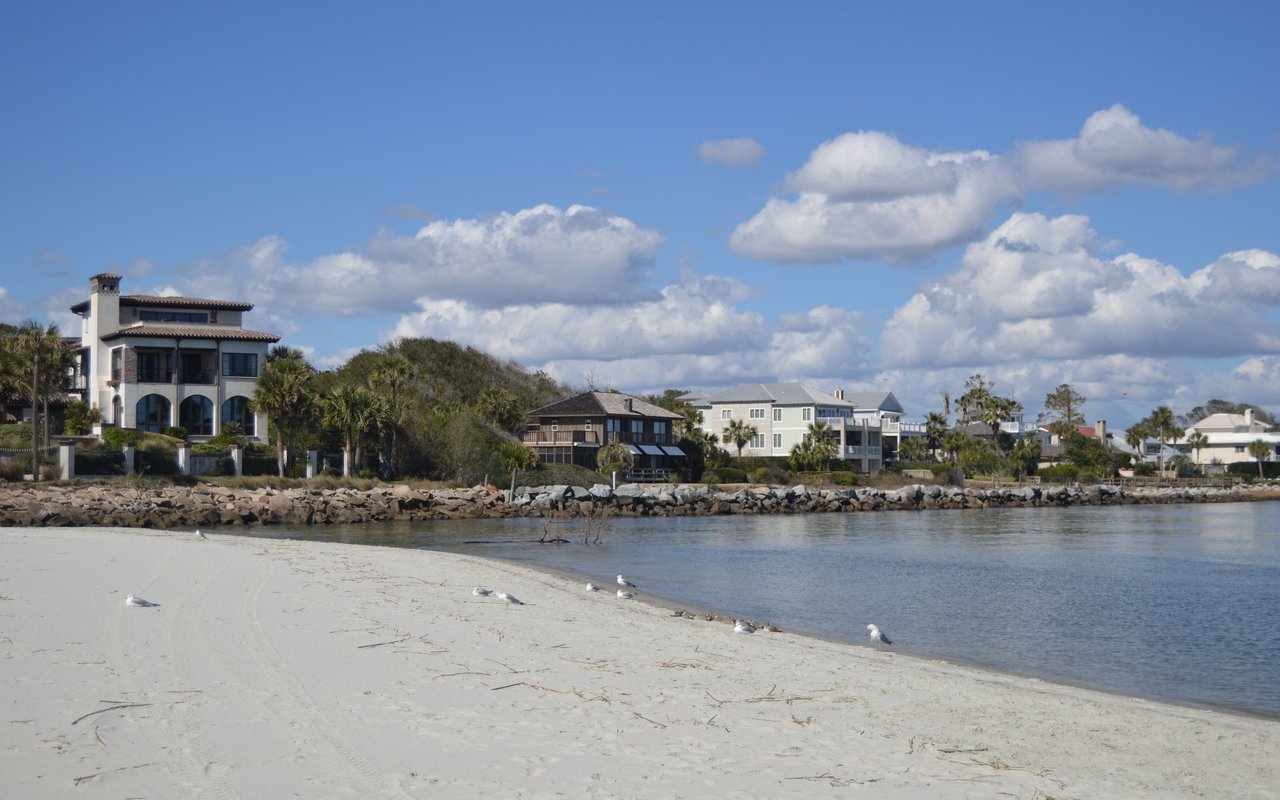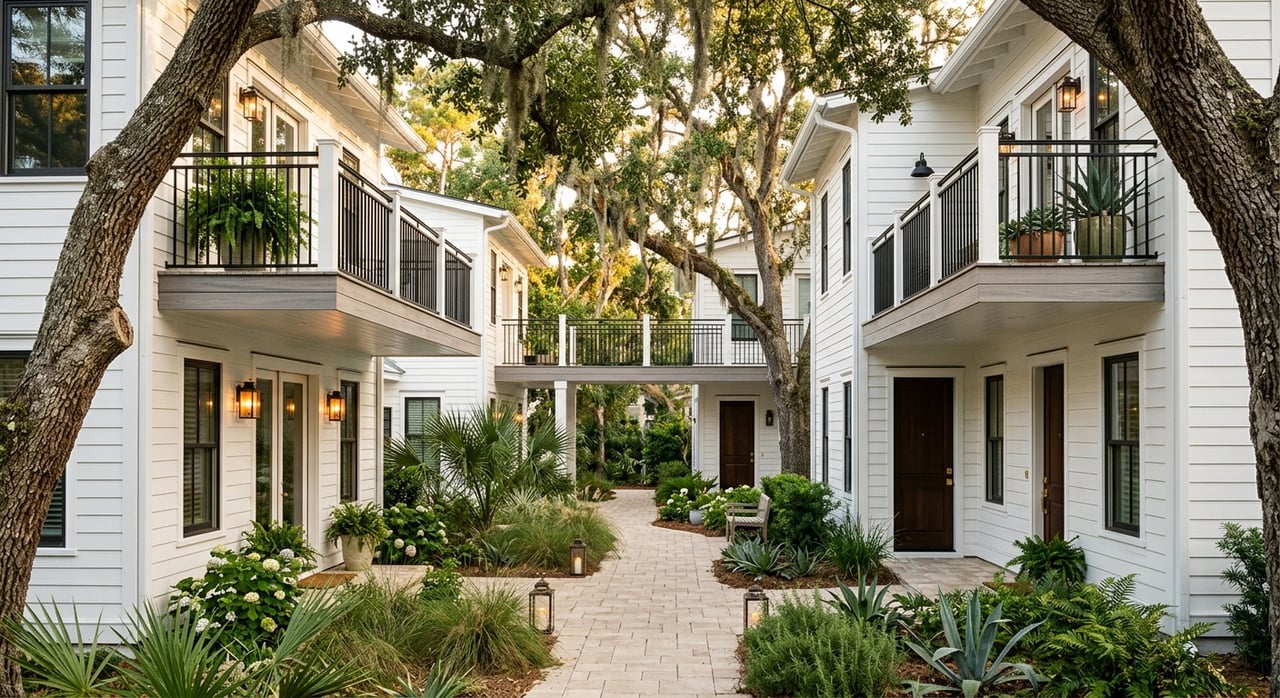
Buying a second home on St. Simons Island can feel like a dream until you start sorting through flood zones, carrying costs, condo dues, and rental rules. If you want a place to enjoy now and hold for the long term, it helps to look past the pretty photos and focus on how the property will actually work for your lifestyle and budget. The good news is that with the right planning, you can make a confident choice that fits how you want to use the home. Let’s dive in.
Start With How You’ll Use It
Before you compare listings, get clear on your goal for the property. A second home can serve very different purposes depending on whether you want a low-maintenance getaway, a future full-time residence, or a place you may rent out when you are away.
That one decision affects almost everything else, including location, property type, monthly costs, and how much hands-on oversight you will need. On St. Simons Island, that planning matters even more because coastal ownership comes with extra considerations like flood exposure, insurance, and local rental compliance.
Compare Condos, Cottages, and Homesites
Condos Offer Lower Day-to-Day Upkeep
If you want a place that is easier to lock up and leave, a condo may be the simplest ownership model. Under Georgia law, the association is generally responsible for maintenance, repair, renovation, restoration, and replacement of common elements, while you remain responsible for your unit and any limited common elements.
That setup can be appealing for second-home buyers who do not want to coordinate exterior work, grounds care, or shared-area maintenance from a distance. The tradeoff is that condo ownership usually comes with ongoing dues, and associations can levy common expenses that may become a lien on the unit if left unpaid.
Cottages Give You More Control
Detached cottages and single-family homes can give you more privacy, flexibility, and control over how you use the property. They can be a great fit if you want outdoor space, fewer shared walls, or more freedom in how the home feels and functions.
The flip side is that you are also taking on more responsibility. Georgia consumer guidance notes that homeowners are typically responsible for repairs, maintenance, yard care, and pest control, and some communities may still charge HOA dues for shared amenities.
Homesites Bring Custom Potential
If your dream is to build something that fits your exact needs, a homesite may be worth considering. This option gives you the most customization, but it also requires the most upfront research.
In Glynn County, flood-prone parcels deserve especially close attention. The county requires elevation certificates for properties in the floodplain when a building permit is needed, and if reconstruction or improvements reach 50% or more of the building’s market value, the structure must meet the same construction requirements as a new building.
Budget for the True Cost of Ownership
The mortgage payment is only one piece of the picture. A second home budget on St. Simons Island should include every recurring and one-time expense so you can judge affordability realistically.
Georgia consumer guidance notes that buyers should plan for homeowner’s insurance, title insurance, utilities, repairs and maintenance, yard care, and pest control. For coastal properties, flood insurance can be a separate and significant cost, so it should be part of your early planning, not something you add at the end.
Key Monthly and Annual Costs
Here are some of the most important costs to account for:
- Mortgage principal and interest, if financed
- Property taxes
- Homeowner’s insurance
- Flood insurance, when applicable
- HOA or condo association dues
- Utilities
- Repairs and routine maintenance
- Landscaping or yard care
- Pest control
- Vacancy check-ins or local oversight if you live out of town
If you are comparing a condo with a detached home, look at the full picture rather than just the price tag. A condo may have higher dues but lower upkeep demands, while a cottage may have more maintenance flexibility but more direct expenses over time.
Understand Flood Exposure Early
On St. Simons Island, flood risk should be part of your first round of due diligence. It can affect insurance costs, renovation plans, and even whether certain loan types require flood insurance.
Glynn County keeps elevation certificates on file for properties in the floodplain when permits are required. FEMA guidance also says that homes in high-risk A or V flood zones with federally backed mortgages require flood insurance.
This matters if you are buying an older property with plans to update it. In Glynn County, if reconstruction or improvements equal or exceed 50% of the building’s market value, the home must meet the same construction requirements as new construction.
Know How Georgia Taxes a Second Home
Many buyers are surprised to learn that a second home is not taxed the same way as a primary residence. In Georgia, the homestead exemption applies only to a primary residence that is actually occupied by the owner, so a vacation property generally will not qualify.
Georgia property is assessed at 40% of fair market value before local millage rates are applied. If the property later becomes your primary residence, homestead applications are generally filed with county tax officials by April 1 for that tax year.
That means your long-term plan matters. If you are buying now as a second home but may move into it later, it is smart to understand how that change could affect your taxes down the road.
If You Plan to Rent It, Learn the Rules
Some second-home buyers want the option to offset costs with seasonal or short-term rentals. If that is part of your plan, make sure you understand the local requirements before you buy.
Glynn County requires permits to operate a short-term rental property. The county’s short-term-rental information also includes certificates, renewals, accommodation excise tax payments, and complaint reporting requirements.
In unincorporated Glynn County, the accommodation excise tax is 7% on short-term rentals, including vacation homes, and returns are due by the 20th of each month for the prior month’s sales. The county also requires a valid local point of contact who must be available 24/7 and able to respond in person within two hours when the rental is occupied.
Why Local Oversight Matters
If you do not live nearby, these rules make local support especially important. Even if you love the idea of self-managing from another state, the local contact requirement and the practical realities of guest issues can make professional or local management a better fit.
This is one area where your purchase decision and your management plan need to line up from the beginning. A property that seems perfect on paper may be less practical if you do not have a solid local response plan.
Handle Remote Buying With a Clear Process
If you are purchasing from out of state, organization matters. Remote second-home purchases can go smoothly, but they work best when you have a clear plan for research, inspections, closing preparation, and fraud awareness.
Glynn County’s property search tool allows users to search by owner, address, or parcel ID and view maps, tax data, and public safety boundaries. That can be useful when you are narrowing down options or checking public information before you travel.
Georgia consumer guidance also recommends asking for a home inspection contingency so you can walk away if the inspection uncovers problems you do not want to accept. For out-of-state buyers, this can be especially valuable because you may not have time for repeat visits.
Closing Details To Prepare For
As you get closer to closing, review the settlement statement carefully. Georgia consumer guidance says buyers should expect prorated property taxes and utilities at closing and should bring certified funds and a photo ID.
In Glynn County, the deed recording fee is $25 per filing. It is also wise to stay alert for scams, since Georgia’s consumer-protection office warns that pressure to act immediately and demands for wire transfers are common red flags.
Due Diligence Questions To Ask Before You Buy
A second home should feel exciting, but it should also pass a practical stress test. Asking the right questions early can save you money and frustration later.
For a Condo
- What do the monthly dues cover?
- Are there any current or planned special assessments?
- What maintenance remains your responsibility versus the association’s responsibility?
- Are there any rules that affect second-home use or rental plans?
For a Cottage or Single-Family Home
- What are the expected maintenance needs for the roof, exterior, yard, and pest control?
- Will the home sit vacant part of the year, and if so, who will check on it?
- Is the property in a floodplain, and what does that mean for insurance and future improvements?
- Are there HOA dues or shared amenity costs?
For a Homesite
- Is the parcel in a flood-prone area?
- Will an elevation certificate be needed for permitting?
- What does the permit history show?
- Could future construction trigger additional flood-related building requirements?
Choose the Property That Fits Real Life
The best second home on St. Simons Island is not always the one with the most charm or the best photos. It is the one that fits how often you will visit, how much upkeep you want, whether you plan to rent it, and how comfortable you are managing coastal ownership costs.
If you want simple ownership, a condo may check the right boxes. If you want flexibility and privacy, a cottage may be the better fit. If you are thinking long term and want to build, a homesite can make sense if you do the right homework first.
A thoughtful plan makes it much easier to buy with confidence. If you want local insight and calm, practical guidance as you explore a second home on St. Simons Island, Wendy Vazquez Galan is here to help.
FAQs
What should you budget for when buying a second home on St. Simons Island?
- You should budget for the mortgage, property taxes, homeowner’s insurance, flood insurance if applicable, HOA or condo dues, utilities, repairs, maintenance, landscaping, pest control, and closing costs.
How are second homes taxed in Georgia?
- In Georgia, property is assessed at 40% of fair market value before local millage is applied, and a second home generally does not qualify for the homestead exemption unless it becomes your primary residence.
Do St. Simons Island second homes need flood insurance?
- Flood insurance may be required for homes in high-risk A or V flood zones if the mortgage is federally backed, and flood exposure should always be reviewed early because it can affect both insurance costs and renovation plans.
What should buyers know about short-term rentals in Glynn County?
- Glynn County requires permits for short-term rentals, applies a 7% accommodation excise tax in unincorporated areas, and requires a local point of contact who is available 24/7 and able to respond in person within two hours when the property is occupied.
Is a condo or cottage better for a St. Simons Island second home?
- A condo is often easier to maintain because the association handles common elements, while a cottage offers more control and privacy but usually comes with more direct responsibility for repairs, yard care, and upkeep.
What should out-of-state buyers do before closing on a second home in Glynn County?
- Out-of-state buyers should review public property information, use a home inspection contingency when possible, complete a final walk-through, review the settlement statement carefully, and watch for scam warning signs such as pressure to act quickly or requests for wire transfers.