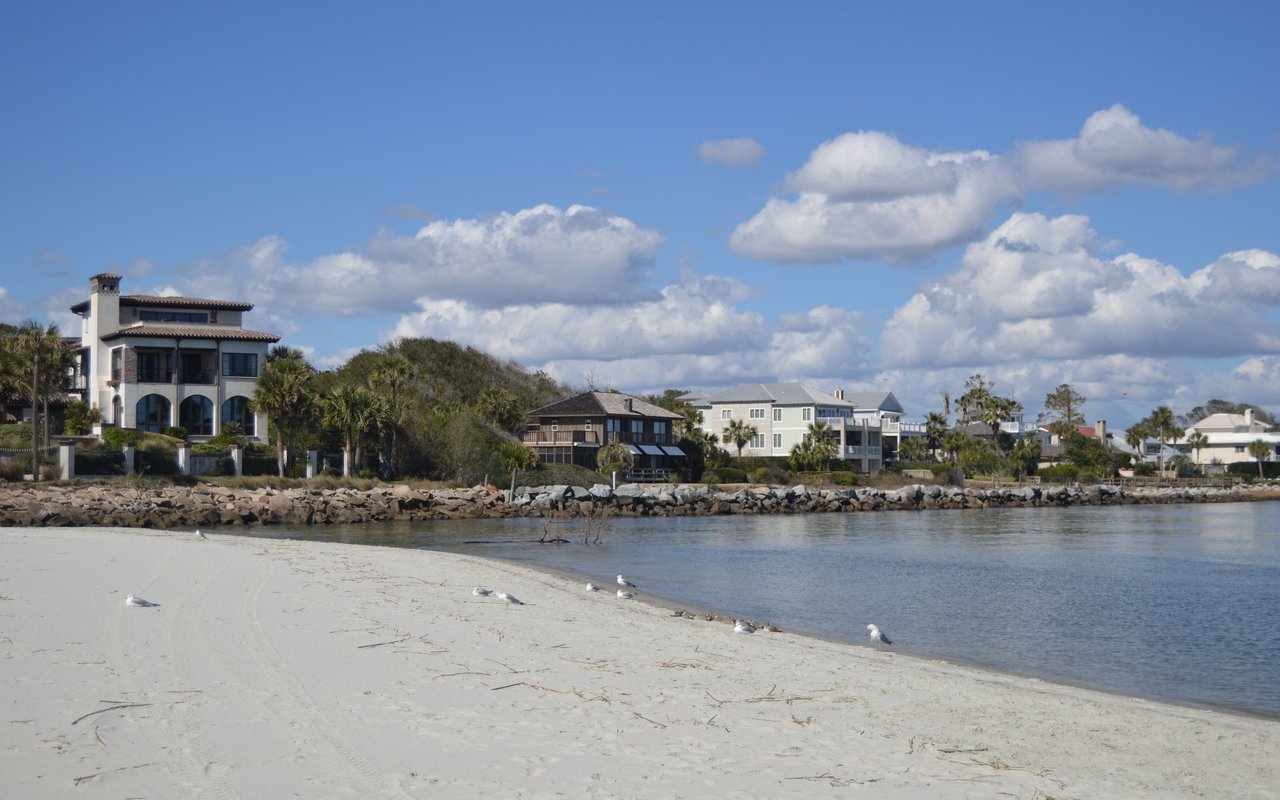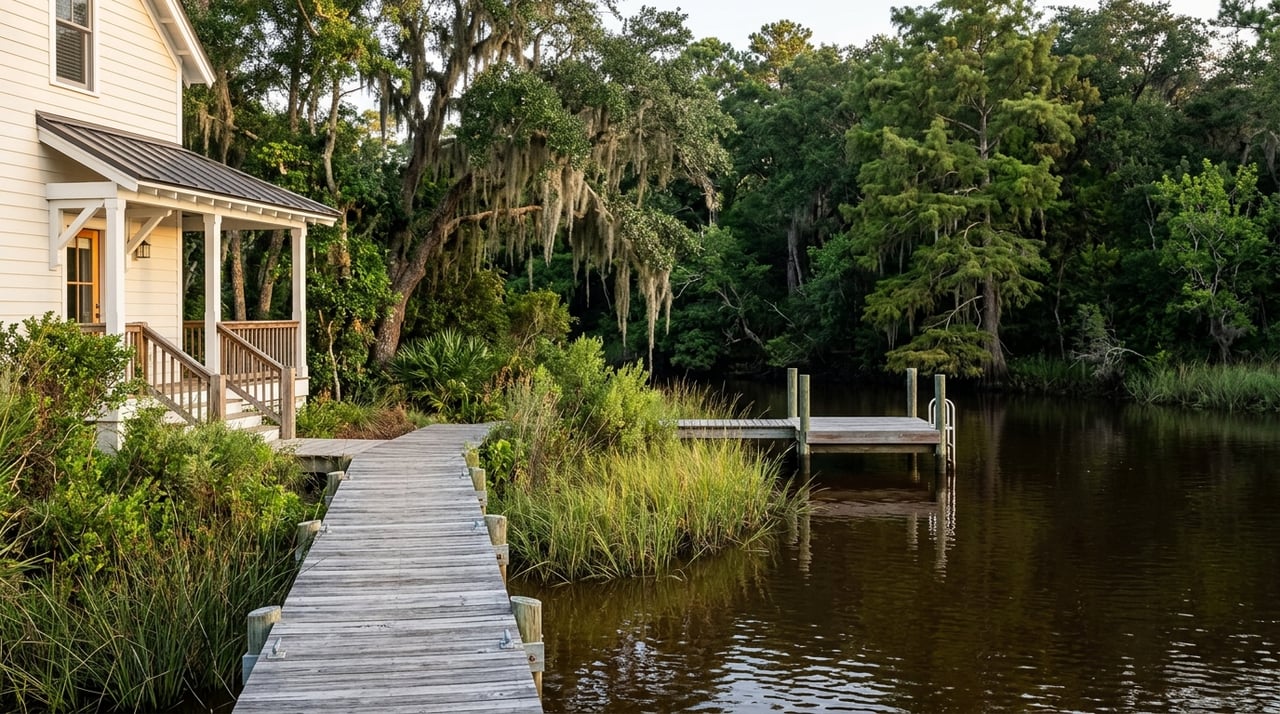
Dreaming about a home or homesite along the Satilla in Woodbine? It is easy to picture peaceful water views, boat days, and a slower Coastal Georgia pace, but river-area property comes with questions you need to answer before you fall in love with a lot. If you are thinking about buying near the Satilla, this guide will help you understand what to check, what can affect buildability, and how to make a smarter decision with less stress. Let’s dive in.
Why Woodbine Draws River Buyers
Woodbine is the county seat of Camden County and a small incorporated city with an official population of 1,062. The city sits on the south bank of the Satilla River, and local public information highlights the riverwalk, public library, historic community center, and annual Crawfish Festival as part of its identity.
If you want a quieter setting with a strong connection to the water, Woodbine offers a lifestyle that feels rooted in the river. Public access points and outdoor spaces help shape the area’s character, which matters when you are comparing a full-time home, a future homesite, or a getaway property.
Understanding the Satilla Setting
The Satilla is one of South Georgia’s blackwater rivers. According to the University of Georgia’s River Basin Center, the river’s dark appearance comes from natural tannins, and it drains nearly 4,000 square miles across 15 Georgia counties before flowing about 200 miles to St. Andrews Sound.
That blackwater look is part of the landscape here, so it helps to know what you are buying into. If you are comparing riverfront or near-river property, the look and feel of the water may be different from what you expect in other coastal or inland areas.
Public Access Versus Private River Rights
One of the biggest mistakes buyers can make is assuming that being close to the water means having private water access. In Woodbine, public amenities like Satilla Waterfront Park & Boat Ramp and the Woodbine Riverwalk are a real lifestyle benefit, but they are not the same thing as owning private shoreline or having a private dock.
Satilla Waterfront Park & Boat Ramp on East 1st Street includes a boat ramp, floating dock, restrooms, open-air pavilions, a bandstand, and access to the Woodbine Riverwalk. Overnight docking is not allowed, which is an important detail if boating access is high on your list.
Nearby access points also include White Oak Boat Ramp for the Satilla River and Spring Bluff Boat Ramp for the Little Satilla River. These public features can add convenience and recreation value, but they should never replace careful verification of what a specific property actually includes.
What to Check in a Satilla Homesite
When you buy along the Satilla, the question is not just whether a lot is riverfront. The better question is whether it has the legal access, buildable uplands, and physical room needed for approvals and construction.
Before you move forward, focus on these basics:
- Whether the parcel has legal access
- Whether there is enough buildable upland area
- Whether floodplain limits affect the usable footprint
- Whether the property will need septic approval
- Whether the site may need well placement review
- Whether future dock or shoreline work could require added approvals
A pretty lot and a buildable lot are not always the same thing. That is especially true near rivers, marsh edges, and low-lying coastal land.
City Limits or Unincorporated County Matters
Another detail that can change your path is whether the property sits inside Woodbine city limits or in unincorporated Camden County. That matters because permitting and utility service can be different depending on the location.
Camden County Planning & Development handles building and zoning codes for unincorporated areas. The City of Woodbine has its own utility and public works resources for city service, so buyers should confirm which local authority applies to the property before they commit.
Utilities Can Shape Your Decision
Utility access is one of the most important questions for any homesite purchase. Woodbine’s utility information states that new residents need a water and sewer application, and electrical service may come from Georgia Power or Okefenokee REA depending on the property’s location.
For raw land, you should confirm whether the parcel can connect to city water and sewer or whether it will need a private well and septic system. That answer can affect cost, timeline, site layout, and even whether the homesite works for your plans.
If the Lot Needs a Well or Septic
Private wells and onsite sewage systems are common issues on rural lots. Georgia public health guidance says private wells should be located away from pollutant sources and should not be placed in flood-prone areas unless the casing extends above the highest known flood of record.
The state also maintains rules for septic tanks and onsite sewage systems. In practical terms, that means you should verify early whether the lot can support the kind of home you want to build.
Flood Risk Is a Core Part of Due Diligence
In this part of Camden County, flood risk is not a side note. The county describes the area as a low-lying coastal plain that can flood from surrounding rivers and from hurricanes.
That does not mean every lot is a bad option. It does mean you need to understand the flood zone, elevation requirements, insurance impact, and possible construction limits before you buy.
For unincorporated Camden County, the county participates in FEMA’s Community Rating System at a rating of 6. That provides a 20% discount on flood insurance premiums for unincorporated county residents, which can be meaningful for long-term ownership costs.
Flood Questions to Ask Early
Ask these questions before making an offer or during due diligence:
- What flood zone is the property in?
- Will an elevation certificate be required?
- How much of the parcel is actually usable outside major constraints?
- Could the home need elevation above the base flood level?
- Are there floodway restrictions that limit development?
A riverfront lot can still be attractive and usable, but you want the real picture before closing, not after.
Surveys and Site Plans Are Not Optional Extras
For many buyers, one of the biggest surprises is how much site documentation may be needed before a permit can be issued. Camden County’s building permit checklist says zoning must be confirmed first, and flood zone is checked at the same time.
If the lot is in a flood zone, an elevation certificate is required. If the property will use septic, a septic tank permit or application is also needed.
For single-family and two-family dwellings, the county requires a site development plan drawn on a boundary survey. That plan must show:
- Lot dimensions
- Setbacks
- Easements
- Watercourses
- Stream buffers
- The 100-year floodplain
- Wetlands
- Erosion and tree-protection measures
If you are shopping for land, this is one reason a low list price does not always mean a simple project. The lot still has to work on paper and in the field.
Clearing and Prep Work May Need Approval
If you plan to clear a homesite, cut in a driveway, or prepare land near the river or marsh, ask about land-disturbance rules early. Camden County states that a land-disturbance permit is required for subdivision or preliminary plat work after January 1, 2009 when more than one acre is disturbed or when work occurs within 200 feet of state waters.
That is especially relevant for buyers with a vision for a custom build. Even basic site prep can trigger additional review depending on the location and scope of work.
Dock and Shoreline Plans Need Extra Verification
If your dream includes a private dock or later shoreline improvements, do not assume those additions will be easy. If a parcel touches tidal marsh, shore, or waterbottoms, Georgia DNR and the U.S. Army Corps of Engineers may be part of the approval process.
Georgia DNR states that private recreational docks use the Individual Permit process, and applicants must submit materials to both the Coastal Resources Division and the USACE Savannah District Office. Activities in or near marsh, shore, or dunes may also require jurisdictional review and permit evaluation.
In short, if a dock matters to you, verify the path before buying the lot.
Manufactured-Home Buyers Have a Separate Path
If you are considering a manufactured-home homesite, make sure you confirm those rules before purchase. Camden County’s checklist for manufactured homes includes zoning certification, flood-zone verification, septic approval, right-of-way encroachment approval, a site plan prepared by a registered land surveyor, and a Zone 2 home requirement for this hurricane-prone area.
That path is different from a conventional site-built home. It is worth checking up front so you do not buy a lot that does not fit your intended use.
Camden County GIS Can Save You Time
If you are buying from out of town, Camden County GIS can help you narrow your options before an in-person visit. The county provides online web maps, printable maps, tax maps, and layers that include flood information, zoning, potential storm surge, and future land use.
These tools are useful for checking lot shape, surrounding uses, access patterns, and whether a parcel appears to have room for a driveway, home footprint, or setback compliance. They are not a replacement for formal due diligence, but they are a strong first filter.
A Smart Remote-Buyer Process
Remote and relocating buyers often do best with a simple step-by-step process. Start broad, narrow quickly, and verify details before you spend money on travel, inspections, or site work.
A practical workflow looks like this:
- Review listings, photos, and video carefully.
- Compare the parcel on Camden County GIS maps.
- Confirm whether the property is in city limits or unincorporated county.
- Check likely utility options, including water, sewer, well, and septic.
- Ask about flood zone, elevation needs, and buildability.
- Verify whether surveys, site plans, or environmental reviews may be needed.
- Visit in person when the property clears your first round of screening.
This kind of process can save you time and help you focus on properties that truly fit your goals.
What Happens After You Go Under Contract
Once a property is under contract, the process usually moves into inspection, appraisal, title review, and loan processing. Title review is an important step because it checks public records for issues such as unpaid taxes, liens, or recording problems.
Closing is the final stage, and buyers should review their closing documents carefully. Fannie Mae notes that closing costs typically range from 2% to 5% of the mortgage value, so it is wise to plan for those expenses ahead of time.
Why Local Guidance Matters on the Satilla
Buying along the Satilla can be rewarding, but it is rarely a one-size-fits-all purchase. You may need to coordinate with county planning, environmental health, public works, city utilities, a surveyor, and your title or closing team all at once.
That is where steady local guidance can make the process feel much more manageable, especially if you are relocating, buying land for the first time, or trying to compare several very different river-area properties. A calm, responsive local agent can help you ask better questions before you commit.
If you are thinking about buying a home or homesite along the Satilla in Woodbine, working with someone who knows Camden County can help you move forward with more clarity and less stress. When you are ready to talk through riverfront goals, land questions, or a remote-buying plan, reach out to Wendy Vazquez Galan.
FAQs
What should you verify before buying a Satilla homesite in Woodbine?
- You should verify legal access, buildable uplands, flood zone, utility options, septic needs, and whether a survey or site plan will be required for permitting.
What is the difference between riverfront and near-river property in Woodbine?
- Riverfront property may include private shoreline, while near-river property may only be close to public amenities like the riverwalk or boat ramp without private water rights.
Do Woodbine-area river lots always have city water and sewer?
- No. Some properties may connect to city utilities, while others may need a private well and septic system, so you should confirm service availability for each specific parcel.
Why does flood zone matter when buying along the Satilla River?
- Flood zone affects insurance, elevation requirements, buildability, and permit needs, and some lots may require an elevation certificate before construction can move forward.
Can you add a private dock to any riverfront lot near Woodbine?
- Not necessarily. If the parcel touches tidal marsh, shore, or waterbottoms, Georgia DNR and the U.S. Army Corps of Engineers may need to review or permit the project.
Is buying land in unincorporated Camden County different from buying inside Woodbine city limits?
- Yes. Permitting, zoning administration, and utility service can differ depending on whether the property is inside city limits or in unincorporated Camden County.